Electrolytes for Shift Workers: Staying Hydrated on Irregular Schedules
Electrolytes for Shift Workers: Staying Hydrated on Irregular Schedules
- Why Shift Work Makes Hydration Harder Than It Looks
- The Logistics Problem Nobody Talks About
- A Practical Hydration Routine for Shift Workers
- What to Actually Look for in an Electrolyte Product
- FAQs
If you work nights, rotating shifts, or long stretches in a hospital ward, warehouse, or emergency vehicle, your body is running on a schedule it was never built for. And one of the first things to suffer is hydration.
It's not just about forgetting to drink water. Shift work disrupts the biological systems that regulate thirst, sodium balance, and fluid retention — which means you can be genuinely dehydrated without feeling particularly thirsty. That fatigue you're blaming entirely on broken sleep? Hydration is likely part of it too.
This one's for nurses, factory and warehouse workers, retail staff, paramedics, and anyone else whose workday doesn't line up with daylight. Here's what's actually happening to your hydration on irregular shifts, and what you can do about it.
Why Shift Work Makes Hydration Harder Than It Looks
Your body runs on a circadian rhythm — a roughly 24-hour internal clock that coordinates sleep, hormone release, body temperature, and fluid regulation. Night shifts and rotating rosters throw that clock off.
One consequence that rarely gets discussed: your kidneys follow a circadian pattern too. Research into circadian biology shows that renal function — including how your kidneys handle sodium and water excretion — fluctuates across the 24-hour cycle. When you're awake and working at 3am, your kidneys may be operating closer to "sleep mode" than "active," which affects how efficiently your body retains electrolytes and manages fluid balance.
On top of that, thirst perception is blunted during night hours for many people. You may not feel thirsty even as your fluid levels drop. Add a physically demanding job, climate-controlled air that dries you out, and limited breaks, and you've got a recipe for low-grade chronic dehydration that builds across a shift.
The Sodium and Potassium Problem
Electrolytes — particularly sodium and potassium — are central to how your cells manage fluid. Sodium draws water into cells and supports nerve and muscle function. Potassium works alongside it to maintain the electrical balance that keeps your heart, muscles, and brain firing properly.
During night shifts, cortisol levels (normally elevated in the morning) get disrupted. Cortisol influences aldosterone, the hormone that signals your kidneys to hold onto sodium. When that signal falls out of sync with your actual activity level, you may excrete more sodium than you need to — or retain it when you don't. Either way, the balance becomes harder to maintain without conscious effort.
In practice, electrolyte imbalance rarely feels dramatic. It tends to show up as fatigue that coffee doesn't fix, mild headaches, poor concentration, or muscle cramps during or after a long shift. These are symptoms shift workers almost always chalk up to sleep deprivation — but hydration is often a contributing factor.
The Logistics Problem Nobody Talks About
Beyond the physiology, there's a practical barrier: most hydration products aren't built for your working environment.
Large sports drinks are bulky, loaded with sugar, and designed for athletes doing structured exercise — not someone on their feet for 10 hours in a ward or on a warehouse floor. Relying on vending machines or canteen runs means hydration becomes reactive rather than planned.
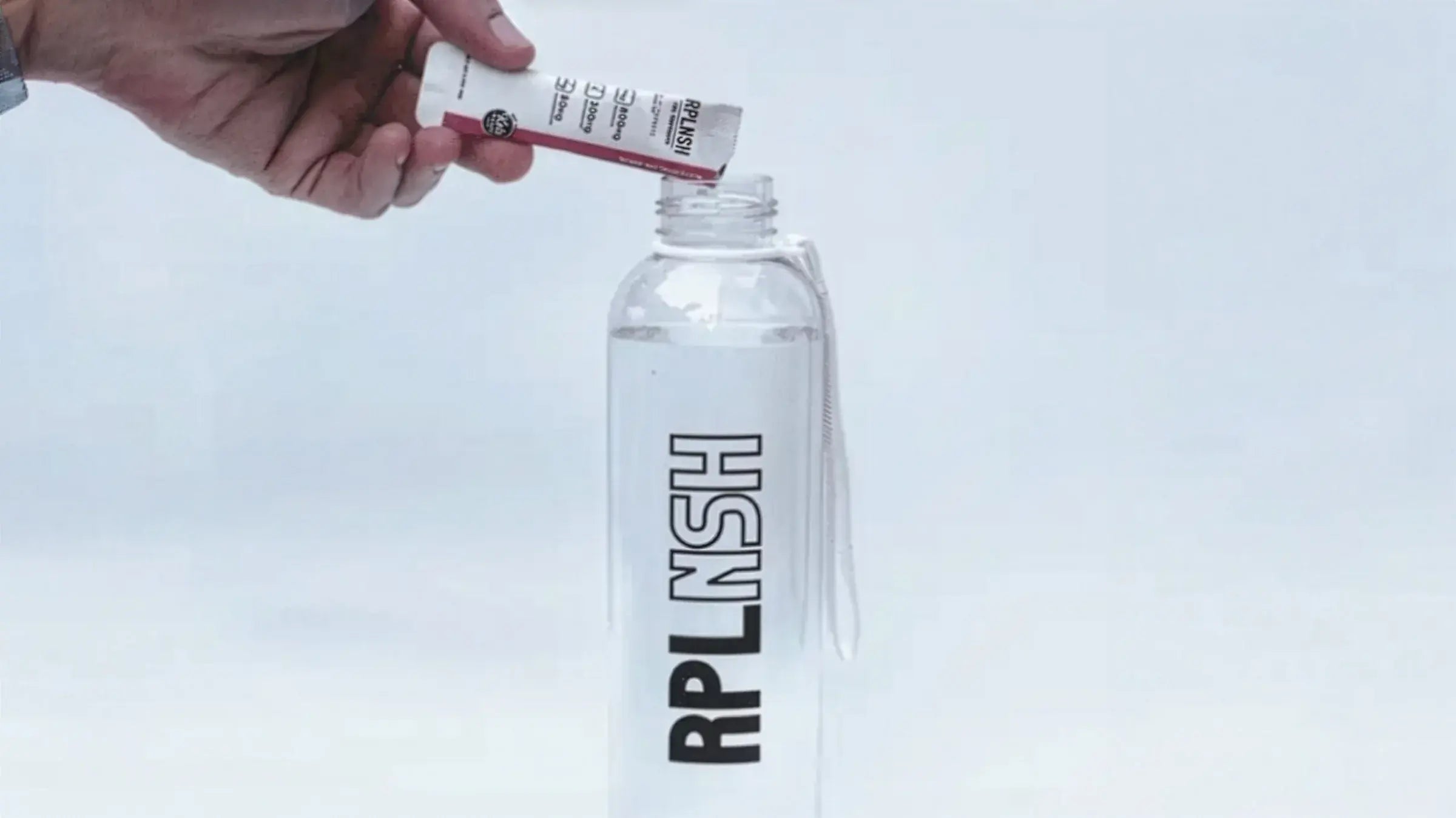
Single-serve sachets solve that problem. You carry a few in a pocket, locker, or work bag. You add one to a water bottle at the start of your shift and you're done — no measuring, no refrigeration, no mess.
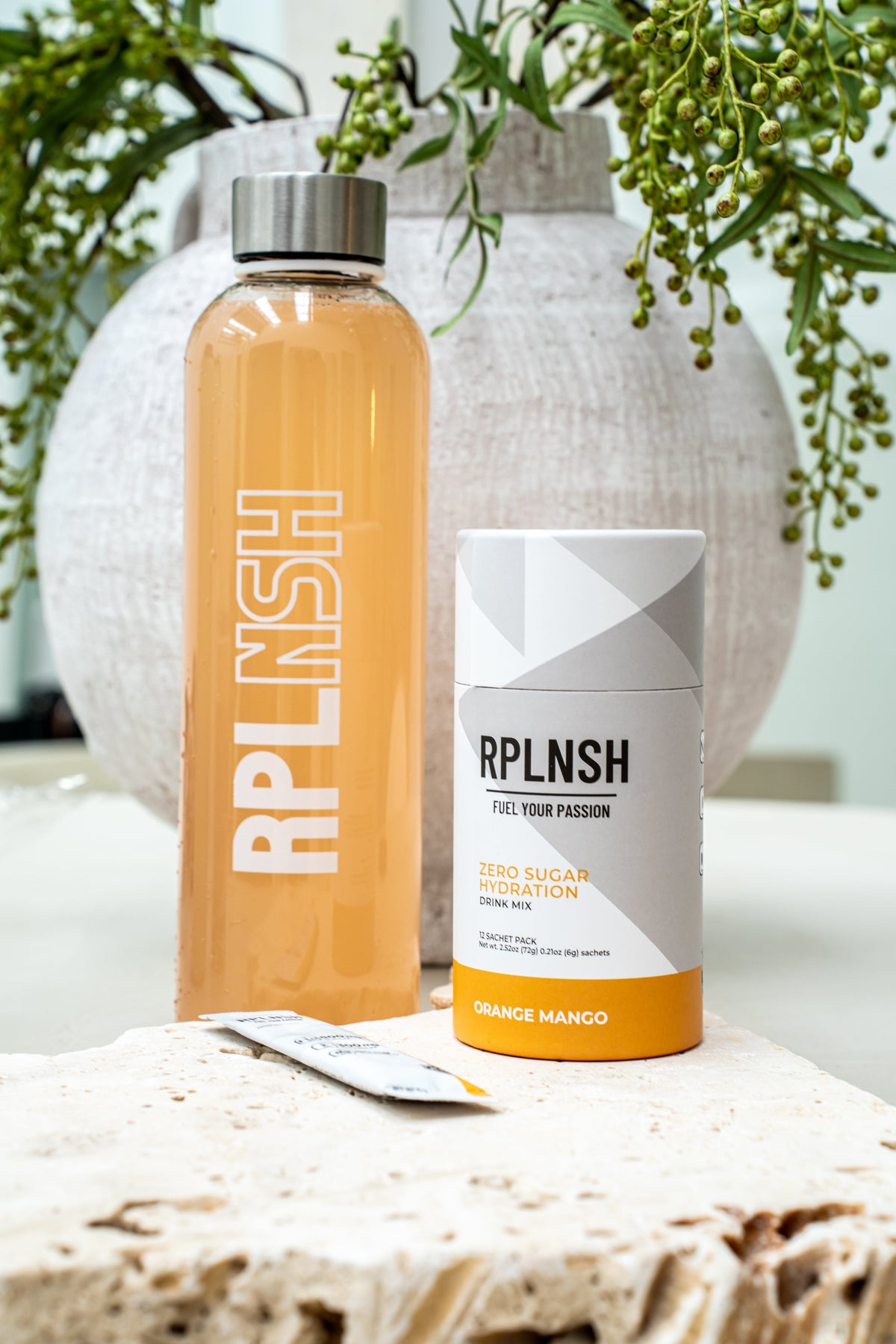
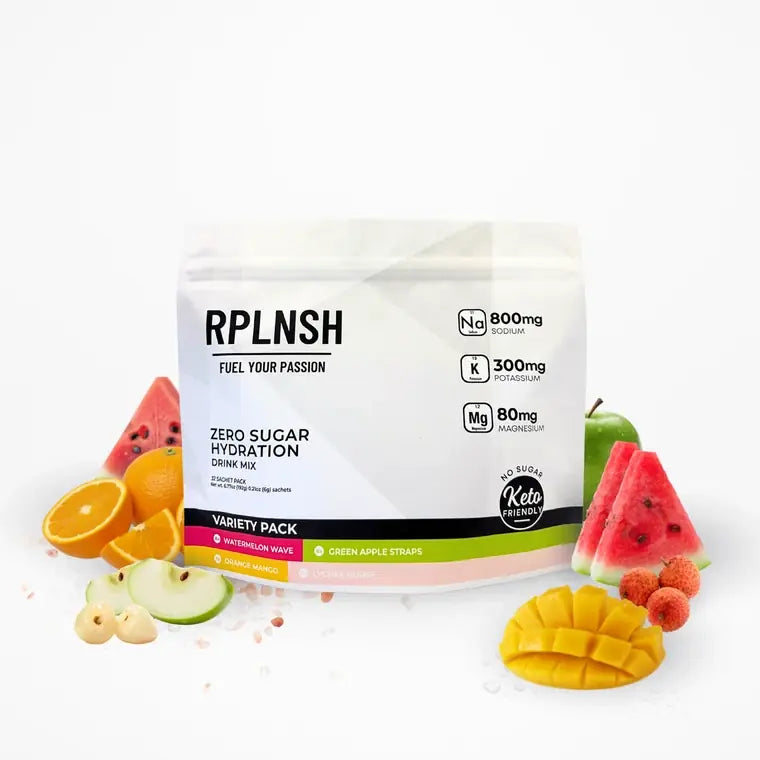
That's exactly where RPLNSH by Replenish Labs fits. It's a zero-sugar electrolyte powder in individual sachets, with no maltodextrin or artificial fillers. Each sachet comes in at around 5 calories, which matters if you're watching your intake or simply don't want to be adding sugar to every drink across a 12-hour shift.
A Practical Hydration Routine for Shift Workers
You don't need a complicated protocol. You need something simple enough to actually stick to when you're tired, rushed, or mid-shift.
Before your shift
Drink 400–500ml of water with an electrolyte sachet before you leave home or as soon as you arrive. This is especially important coming off a sleep cycle that doesn't align with normal waking hours — your body may have been in a low-fluid state for longer than you realise.
During your shift
Aim for roughly 250ml of water every hour you're active. If your job involves physical labour, heat, or heavy PPE, increase that. Keep a filled water bottle at your station or in your locker and sip consistently — large volumes all at once are less effective than steady intake throughout the shift.
On longer shifts (10 hours or more), a second electrolyte serving mid-shift makes sense, particularly if you're sweating, working somewhere warm, or starting to feel the early signs of fatigue.
After your shift
Rehydrate before you sleep, not just after you wake up. Going straight to bed after a night shift without drinking anything first means you're sleeping through a fluid deficit. A glass of water with electrolytes before bed can make a real difference to how you feel when you surface.
Flavour matters more than people admit
If something tastes good, you drink more of it. RPLNSH comes in Lychee, Watermelon, Green Apple, and Orange Mango — which is genuinely useful when you're trying to get fluids in at 4am and plain water feels like a chore. A Variety Pack is available if you want to rotate across different shifts.
What to Actually Look for in an Electrolyte Product
Not all electrolyte powders are equal. Here's what matters for shift workers specifically:
- Zero or low sugar. You're not running a marathon. You don't need 20g of sugar per serve. Look for products sweetened with stevia or similar.
- Sodium and potassium both included. These are the two electrolytes most relevant to fluid balance and muscle function. Some products lean heavily on sodium alone; a balanced formula is more useful for general hydration.
- No artificial fillers. Maltodextrin is a high-GI filler that adds no hydration benefit.
- Sachet format. Tubs don't belong in a scrub pocket or a locker. Sachets do.
- Palatable at any hour. If it tastes bad, you won't use it consistently — and consistency is the whole point.
RPLNSH ticks these boxes without overclaiming. It's a clean, practical product made in Australia, built for daily hydration rather than performance sport.
FAQs
Can electrolytes help with fatigue during night shifts?
Electrolyte imbalance can contribute to fatigue, poor concentration, and muscle cramps. If you're already sleep-deprived, dehydration makes those symptoms worse. Staying properly hydrated won't replace sleep, but it can reduce the compounding effect of fluid deficit on top of tiredness.
How many sachets should a shift worker use per day?
One sachet per shift is a reasonable starting point for most people. If you're working 10+ hours, in a hot environment, or doing physically demanding work, two sachets spread across the shift is fine. There's no need to overdo it.
Is it safe to use electrolyte powders every day?
For healthy adults, daily use of a low-sugar electrolyte powder is generally fine. If you have a condition affecting kidney function or blood pressure, check with your GP first.
Why don't I feel thirsty on night shifts even when I'm dehydrated?
Thirst perception follows circadian patterns and is often blunted during night hours. Your body's signals are calibrated for a daytime schedule. On night shifts, you need to drink proactively rather than waiting until thirst kicks in — because by then, you're already behind.
Do electrolytes interfere with sleep after a night shift?
No. Electrolytes don't contain stimulants. Taking an electrolyte drink before sleeping after a night shift can actually support recovery by addressing any fluid deficit from the shift.
Can I use RPLNSH if I'm not doing intense physical work?
Yes. RPLNSH is designed for daily hydration, not just athletic performance. Healthcare staff, warehouse workers, retail employees, and anyone with an active lifestyle can benefit from consistent electrolyte intake.
What's the best way to carry sachets during a shift?
Single-serve sachets fit easily in a scrub pocket, locker, or work bag. Keep two or three on hand per shift so you're not caught short if your break runs late or your shift extends.
Shift work is hard enough without fighting your own hydration. A simple routine, a product that's easy to carry, and a bit of awareness about how your body's fluid regulation changes at night can make a real difference across a long week of irregular hours.
Find out more about RPLNSH at replenishlabs.com.au.